Brazil is a country of continental proportions — and that means distances between destinations are real. A flight from Rio de Janeiro to Manaus takes over four hours. Salvador to Foz do Iguaçu is a cross-country journey. Without a structured itinerary, it is easy to lose days to logistics or try to squeeze in too much and enjoy too little.
These three itineraries — 7, 10, and 14 days — are designed for international visitors seeing Brazil for the first time. Each one is realistic, tested against actual flight schedules and distances, and built around the destinations that deliver the most for your time.
Before You Start Planning
Domestic Flights Are Essential
Brazil has no practical intercity train network. Buses exist but distances are enormous — Rio to Salvador by bus takes 26 hours. For any multi-city itinerary, domestic flights are not optional, they are essential.
Three airlines dominate the domestic market: Azul, LATAM, and Gol. Book through Google Flights for comparison, or directly on each airline's website. Prices are lowest 4–8 weeks before travel. Last-minute domestic flights in Brazil can be surprisingly expensive.
Key airports:
- GIG — Rio de Janeiro (Galeão International)
- GRU — São Paulo (Guarulhos International, Brazil's main hub)
- SSA — Salvador
- IGU — Foz do Iguaçu
- MAO — Manaus
Getting Around Within Cities
Uber and 99 (a Brazilian ride-hailing app) are the standard for getting around Brazilian cities. They are affordable, widely available, and safer than street taxis — but both require a mobile data connection to function. Having your phone connected from the moment you land is not a luxury — it is how modern travel in Brazil works.
Public buses exist in every city but are confusing for newcomers. Google Maps provides bus routing if you have data. Walking is excellent within neighborhoods but impractical between them — Brazilian cities are spread out.
The 7-Day Itinerary: Rio de Janeiro and Surrounds
This itinerary is ideal for first-time visitors with limited time. It focuses on Rio de Janeiro — Brazil's most iconic city — with a two-day escape to the stunning Costa Verde coast.
Day 1–2: Rio de Janeiro — City Essentials
Day 1: Arrive at Galeão Airport (GIG). Take an Uber or 99 to your hotel — Copacabana, Ipanema, or Botafogo are all excellent base neighborhoods. After settling in, walk along Copacabana Beach or Ipanema Beach to get oriented. End the day with dinner in the Ipanema neighborhood — Rua Garcia d'Ávila has a good concentration of restaurants.
Day 2: Start early at Christ the Redeemer (Corcovado). Take the cog train from Cosme Velho or a van from Largo do Machado. The views are extraordinary on clear mornings. After descending, head to Sugarloaf Mountain (Pão de Açúcar) for the cable car ride — the sunset from the summit is one of the best experiences in Rio. In the evening, explore the Lapa district for live samba music and street energy.

Day 3: Rio — Tijuca Forest and Local Culture
Spend the morning hiking in Tijuca National Park — the world's largest urban rainforest. The trail to Pico da Tijuca (Rio's highest peak at 1,021m) takes about 3 hours round-trip. For something easier, try the Cachoeira das Almas waterfall trail.
In the afternoon, explore the bohemian hillside neighborhood of Santa Teresa — its cobblestone streets, art galleries, and panoramic views over the city center make it one of Rio's most charming areas. Have lunch at a local restaurant and browse the studios along Rua Almirante Alexandrino.
Day 4–5: Paraty or Ilha Grande
Leave Rio for the Costa Verde — the green coast stretching southwest toward São Paulo state. You have two excellent options:
Option A: Paraty — A perfectly preserved colonial town (UNESCO World Heritage Site) about 4 hours from Rio by bus or private transfer. Cobblestone streets that flood at high tide, excellent cachaça distilleries, boat trips to secluded beaches, and some of the best boutique restaurants in Brazil. Two nights is ideal.
Option B: Ilha Grande — A car-free tropical island about 3 hours from Rio (bus to Mangaratiba or Angra dos Reis, then ferry). Dense Atlantic Forest, over 100 beaches (including the famous Lopes Mendes), and excellent snorkeling. Two nights gives you time for a beach-hopping boat tour and a forest trail.
Both destinations are reachable by bus (book via ClickBus) or private transfer. Having mobile data allows you to book transfers, check ferry schedules, and navigate with ease.
Day 6–7: Back to Rio — Beaches and Departure
Return to Rio for your final days. Spend time at the beaches you missed — Prainha and Grumari in the west zone are less crowded and stunningly beautiful. Visit the Selarón Steps in Lapa, browse the Saara Market in the city center, or take a boat trip across Guanabara Bay to Niterói for the Oscar Niemeyer Contemporary Art Museum and a different perspective on Rio's skyline.
Depart from GIG airport, or continue onward to your next Brazilian destination.
| Day | Location | Highlights |
|---|---|---|
| 1 | Rio de Janeiro | Arrive, Copacabana/Ipanema, dinner |
| 2 | Rio de Janeiro | Christ the Redeemer, Sugarloaf, Lapa nightlife |
| 3 | Rio de Janeiro | Tijuca Forest, Santa Teresa |
| 4–5 | Paraty/Ilha Grande | Colonial town or tropical island escape |
| 6–7 | Rio de Janeiro | West zone beaches, cultural sites, departure |
The 10-Day Itinerary: Rio de Janeiro + Salvador
This itinerary combines Brazil's two most culturally rich cities — Rio de Janeiro and Salvador da Bahia — connected by a short domestic flight. It is the perfect introduction to the diversity of Brazilian culture.
Day 1–4: Rio de Janeiro
Follow the 7-day itinerary above for days 1–3. On Day 4, spend a relaxed morning at Ipanema Beach, visit the Jardim Botânico (Botanical Garden) — one of the finest in the tropics — and prepare for your flight to Salvador the following morning.
Day 5: Fly to Salvador
Take a morning flight from Rio (GIG) to Salvador (SSA) — approximately 2.5 hours. Flights with Azul, LATAM, and Gol run multiple times daily. From the airport, take an Uber to your accommodation in Barra, Rio Vermelho, or the historic center near Pelourinho.
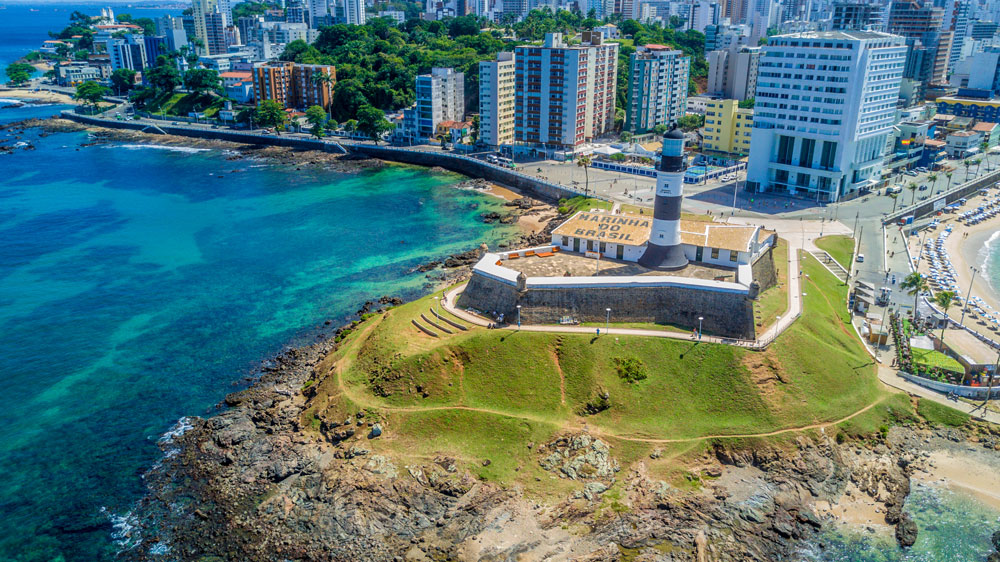
After arriving, walk to Farol da Barra for the sunset — Salvador's most beloved daily ritual. Grab a beer or coconut water and watch the sun sink into the Atlantic from the rocks below the lighthouse.
For a comprehensive guide to the city, see: Best Things to Do in Salvador.
Day 6–8: Salvador
Day 6: Explore Pelourinho in the morning — the churches (Igreja de São Francisco, Igreja do Rosário dos Pretos), the plazas, the colorful streets. Take the Elevador Lacerda down to the Lower City and browse Mercado Modelo. In the evening, catch an Olodum performance if it is Tuesday.
Day 7: Beach day. Start at Porto da Barra in the morning (arrive early for calm water and space), then head north to Stella Maris or Praia do Flamengo for a more local experience. Try acarajé from a street vendor — it is Salvador's essential food experience.
Day 8: Take an island day trip. Boats to Ilha dos Frades depart from the Terminal Náutico — the water is pristine and the island is nearly undeveloped. Alternatively, take the ferry to Ilha de Itaparica for colonial churches, quiet beaches, and a slower pace.
Day 9–10: Morro de São Paulo or Return
Option A: Take the morning catamaran from Salvador to Morro de São Paulo (about 2.5 hours). This car-free island village has four numbered beaches — from the lively First Beach to the nearly deserted Fourth Beach. Spend one night, then return to Salvador for your departure flight.
Option B: Stay in Salvador for two more days. Explore the Rio Vermelho neighborhood, visit the Museu Afro-Brasileiro, and dive deeper into the food scene. Depart from Salvador airport (SSA).
| Day | Location | Highlights |
|---|---|---|
| 1–2 | Rio de Janeiro | Christ the Redeemer, Sugarloaf, beaches, Lapa |
| 3 | Rio de Janeiro | Tijuca Forest, Santa Teresa |
| 4 | Rio de Janeiro | Jardim Botânico, relaxed beach day |
| 5 | Fly to Salvador | Flight, arrive, Farol da Barra sunset |
| 6 | Salvador | Pelourinho, Elevador Lacerda, Mercado Modelo |
| 7 | Salvador | Beaches (Porto da Barra, Stella Maris), acarajé |
| 8 | Salvador | Island day trip (Ilha dos Frades or Itaparica) |
| 9–10 | Morro de São Paulo | Car-free island or extended Salvador exploration |
The 14-Day Itinerary: Multi-Region Brazil
Two weeks opens up the possibility of a genuinely transformative trip — one that moves across multiple regions and delivers the full spectrum of what Brazil has to offer.
Day 1–4: Rio de Janeiro
Follow the same structure as the 10-day itinerary. Four full days in Rio gives you time for the major landmarks, a Tijuca hike, a day trip to Paraty or Ilha Grande, and unhurried beach time.
Day 5–8: Salvador + Bahia Coast
Fly to Salvador on Day 5. Spend three days exploring the city — Pelourinho, beaches, island day trip, and the food scene (see our Salvador guide for the full breakdown).
On Day 8, you have an option to extend into the Bahia coast. Morro de São Paulo (2.5h by catamaran) offers a beautiful overnight stop. Alternatively, for adventure travelers, Itacaré — further south along the coast — has world-class surfing and jungle-beach trails. See our complete Itacaré guide.
Day 9–11: Foz do Iguaçu or Lençóis Maranhenses
Choose your third destination based on what moves you:
Option A: Foz do Iguaçu (2–3 days) — Fly from Salvador to Foz do Iguaçu (connecting through São Paulo or Brasília). Spend one day on the Brazilian side of the falls and one on the Argentine side. Add the Bird Park and Itaipu Dam if time allows.
Option B: Lençóis Maranhenses (3 days) — Fly from Salvador to São Luís (direct flights available). Transfer to Barreirinhas (4 hours). Spend two days touring the dunes and lagoons by 4x4. Return to São Luís for your next flight. Best visited June to September when the lagoons are full.
Day 12–14: Florianópolis or Amazon
Option A: Florianópolis (3 days) — Fly to Florianópolis for beaches, surfing, lagoon culture, and excellent food. A perfect wind-down after the intensity of the waterfalls or dunes.
Option B: Amazon (3 days) — Fly to Manaus and transfer to a jungle lodge. Three days gives you the Meeting of the Waters, jungle walks, canoe trips, piranha fishing, and caiman spotting. An unforgettable way to end a Brazil trip.
Return to your departure city (São Paulo or Rio) for your international flight home.
| Day | Location | Highlights |
|---|---|---|
| 1–4 | Rio de Janeiro | Landmarks, Tijuca, beaches, day trip |
| 5–7 | Salvador | Pelourinho, beaches, islands, food |
| 8 | Bahia Coast | Morro de São Paulo or Itacaré |
| 9–11 | Foz do Iguaçu / Lençóis | Waterfalls or dune lagoons |
| 12–14 | Florianópolis / Amazon | Beaches or jungle lodge |
Transport Between Cities
Moving between cities in Brazil requires advance planning. Here is what works:
Domestic flights are the backbone of any multi-city trip. Azul tends to have the widest route network, LATAM covers major routes, and Gol often has competitive pricing. Book 4–8 weeks ahead for the best fares. Many routes connect through São Paulo (GRU) — it is Brazil's main hub.
Buses work well for shorter routes. Rio to Paraty (4h), Salvador to Morro de São Paulo (includes a ferry connection), or Natal to Pipa (1.5h). Book through ClickBus or buy at the rodoviária (bus station).
Ride-hailing apps are essential within cities. Uber and 99 are safe, affordable, and widely available — but both require a mobile data connection to work. This is one of the practical reasons that having a working eSIM from the moment you land makes a real difference.
Ferries and boats connect island destinations. Salvador to Itaparica, São Luís to parts of Lençóis Maranhenses, Angra dos Reis to Ilha Grande.
Budget Considerations
Brazil offers a range of travel budgets. Here is a rough daily breakdown per person in 2026:
| Category | Budget | Mid-Range | Comfort |
|---|---|---|---|
| Accommodation | $15–30 (hostel) | $50–100 (hotel) | $120–250 (boutique) |
| Food | $10–20 | $25–50 | $50–100 |
| Transport | $5–15 | $15–30 | $30–60 |
| Activities | $5–15 | $20–50 | $50–150 |
| Daily Total | $35–80 | $110–230 | $250–560 |
Money-saving tips:
- Fly midweek for lower domestic fares
- Eat at "por quilo" (pay-by-weight) restaurants for excellent, affordable meals
- Stay in neighborhoods slightly outside the tourist core — Botafogo in Rio, Rio Vermelho in Salvador
- Travel in shoulder season (April–May, August–October) for lower prices across the board
- Use local buses for short distances within cities
For a complete budget breakdown, see: Brazil Trip Cost and Budget Breakdown.
Practical Tips for Moving Between Cities
Arrive Early at Airports
Brazilian domestic airports are generally efficient, but security lines can be long during holidays and peak travel periods. Arrive 90 minutes before domestic flights as a safe standard.
Keep Cash on Hand
While credit cards are widely accepted in cities, smaller towns, ferry operators, and street vendors often require cash (Brazilian Real). ATMs are available in all cities — use those inside banks or shopping malls for security.
Download Offline Maps
Before heading to remote destinations like Lençóis Maranhenses or Amazon lodges, download offline maps on Google Maps. Signal coverage outside major cities can be patchy.
Stay Connected Between Cities
One of the most practical challenges of traveling across Brazil is staying connected as you move between cities, airports, and regions. You need mobile data to book rides at the airport, check gate changes, communicate with hosts via WhatsApp, and navigate unfamiliar streets.
International roaming charges from most carriers run $10–15 USD per day — over a 14-day trip, that adds up to more than the cost of several domestic flights. Buying a local SIM card in Brazil requires a CPF (Brazilian tax ID), which foreign visitors typically do not have. Airport WiFi is unreliable and often requires a Brazilian phone number to access.
A travel eSIM solves all of this. FlyConnecta offers Brazil eSIM plans for 7, 15, and 30 days that install digitally before your trip and activate the moment you land. No store visit, no CPF, no paperwork. You step off the plane in Rio, Salvador, or Manaus already connected to Brazilian networks — Vivo, Claro, and TIM — with the data you need to navigate, communicate, and travel with confidence.
Frequently Asked Questions
Is 7 days enough for Brazil?
Seven days is enough to explore one region well — typically Rio de Janeiro and the nearby Costa Verde coast (Paraty or Ilha Grande). You will get a genuine sense of Brazilian culture, food, and landscape. For a broader experience across multiple regions, 10–14 days is more realistic.
What is the best route for a first trip to Brazil?
Rio de Janeiro is the natural starting point — it has the most iconic landmarks, the best international flight connections, and a well-developed tourism infrastructure. From Rio, adding Salvador gives you cultural depth and Afro-Brazilian heritage. Adding Foz do Iguaçu delivers one of the world's great natural wonders. This three-city combination covers an enormous range of what Brazil has to offer.
How do I get between cities in Brazil?
Domestic flights are the primary way to move between regions. Azul, LATAM, and Gol operate frequent routes. Buses work for shorter distances (under 5 hours). Within cities, Uber and 99 are the standard. There is no practical intercity train service.
How much does a 2-week trip to Brazil cost?
Budget travelers can manage on approximately $500–1,100 USD for two weeks (excluding international flights). Mid-range travelers should budget $1,500–3,200 USD. Comfort travelers may spend $3,500–7,000 USD or more. Major variables include domestic flights, accommodation choice, and activities.
Do I need domestic flights or can I take buses?
For multi-city itineraries, domestic flights are essential. The distances are simply too large for bus travel — Rio to Salvador is 26 hours by bus but 2.5 hours by air. Buses are practical for short routes: Rio to Paraty (4h), Natal to Pipa (1.5h), or transfers to ferry terminals.
Is it easy to travel around Brazil as a foreigner?
Brazil is generally easy to navigate as a foreigner, especially in tourist areas. English is limited outside of upscale hotels, so a translation app with a working data connection is valuable. Brazilians are warm and helpful — if you attempt basic Portuguese, you will be met with genuine friendliness. The main challenge is distance, which is solved by planning your flights in advance.
What apps do I need for traveling in Brazil?
The essential apps are: Uber and 99 (ride-hailing), Google Maps (navigation and bus routing), WhatsApp (how Brazil communicates), Google Translate (offline Portuguese pack), and your airline apps for boarding passes. All require mobile data to function — another reason to have a working eSIM from day one.
How do I stay connected while traveling between cities?
The most practical solution is a travel eSIM. FlyConnecta offers Brazil eSIM plans (7, 15, 30 days) that activate instantly on arrival. No CPF, no store visit, no SIM swap needed. You stay connected as you fly between Rio, Salvador, Foz do Iguaçu, and beyond — with data on the same networks Brazilians use (Vivo, Claro, TIM).
Make Every Day Count
A Brazil trip is not something you do halfway. Whether you have 7 days focused on Rio or 14 days spanning three regions, the key is planning your route realistically, booking domestic flights early, and arriving prepared.
The practical details matter: having data on your phone from the moment you land, knowing which apps to use, understanding the transport options between cities. These are the things that transform a good trip into a great one.
With FlyConnecta, you get a Brazil eSIM that installs before your flight and activates when you arrive. No paperwork, no CPF, no store visits. Just reliable connectivity on Brazilian networks from day one — whether you are navigating Pelourinho's cobblestones, booking a boat in the Amazon, or calling a ride at Foz do Iguaçu airport.
Suggested internal links: